Introduction
Cats are notoriously picky drinkers. Many felines turn their noses up at stagnant water bowls. In the wild, running water signals safety and freshness. Domestic cats inherit this instinct. Because of this, they often do not drink enough water from a standard bowl. Chronic dehydration leads to severe urinary tract issues and kidney disease. To solve this, pet parents turn to pet fountains. Yet, plastic fountains harbor bacteria. This bacteria directly causes feline chin acne. Therefore, switching to the best stainless steel cat water fountains to prevent feline chin acne and dehydration is crucial. Stainless steel surfaces are non-porous. They resist biofilm buildup and protect your cat’s sensitive skin. Furthermore, circulating water encourages cats to drink more frequently. This comprehensive guide explores why stainless steel matters. It also reviews top options and shares essential maintenance tips. Your furry friend deserves the cleanest water possible. Let us dive into everything you need to know.
Understanding Feline Chin Acne and Its Causes
Feline chin acne is a common skin disorder. It presents as dark, stubborn blackheads on your cat’s chin. Sometimes, these blackheads progress into painful, swollen pustules. Vets see this condition quite often in everyday practice. Many owners mistake it for dirt or flea debris. However, it is an actual medical concern. The primary culprit is trapped bacteria and oil. Plastic bowls are notorious for this issue. Plastic easily develops microscopic scratches over time. Food particles, saliva, and bacteria hide inside these tiny crevices. Every time your cat eats or drinks, their chin rubs against the bowl. The trapped bacteria transfer directly to their skin. This triggers localized inflammation and blackheads. Stainless steel eliminates this major risk factor. Its smooth, non-porous surface leaves zero room for bacteria to hide. Upgrading your gear is the fastest way to stop this cycle.
Why Stainless Steel Outperforms Plastic and Ceramic
When shopping for a pet fountain, material choice matters most. Plastic is cheap and widely available. However, it degrades quickly and harbors stubborn germs. Even with daily washing, plastic retains microscopic bacteria. Ceramic is another popular option on the market. Ceramic fountains look sleek and stylish in any modern home. Unfortunately, heavy ceramic can chip easily. A chipped ceramic bowl creates sharp edges and porous spots. Stainless steel hits the absolute sweet spot for pet owners. It is extremely durable and virtually indestructible. It withstands daily use and aggressive cleaning routines. More importantly, stainless steel is naturally hygienic. It prevents microbial growth much better than plastic alternatives. Veterinarians consistently recommend stainless steel for acne-prone pets. It keeps the water cool, clean, and completely safe. Investing in stainless steel protects both health and wallet.
The Direct Link Between Running Water and Feline Hydration
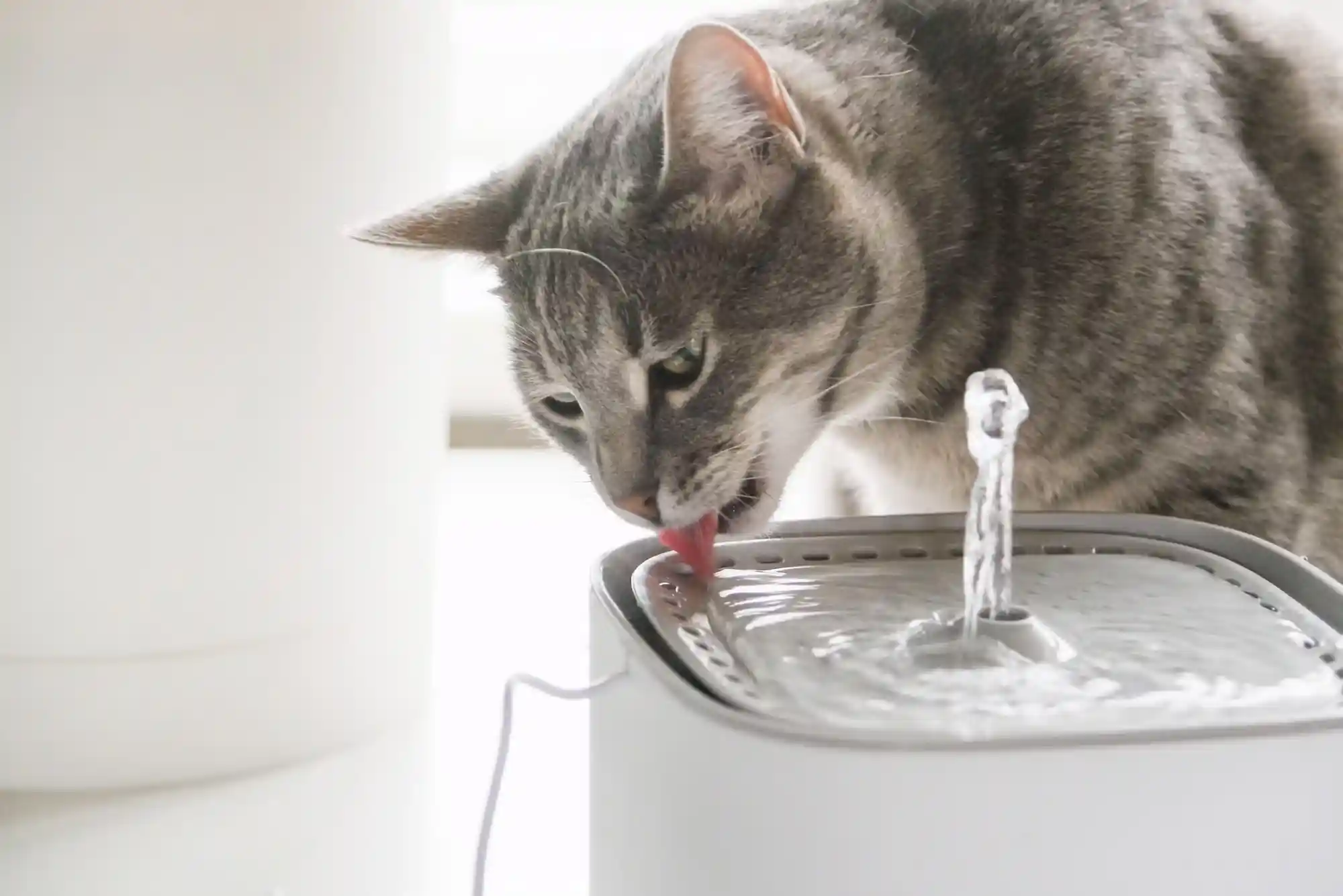
Proper hydration is vital for long-term cat health. Dehydration causes sluggishness, constipation, and deadly blockages. Cats have a very low thirst drive naturally. They evolved to get most moisture from their prey. Dry kibble diets make this problem significantly worse. When cats rely solely on dry food, they need extra water. Traditional water bowls fail to spark their natural hunting instincts. Moving water immediately grabs a cat’s attention. The gentle sound and shimmering motion signal fresh hydration sources. Fountains oxygenate the water continuously. This drastically improves the overall taste. Cats notice the difference instantly and visit the bowl more often. Higher water intake flushes out toxins efficiently. It protects the kidneys and urinary tract from stone formation. A good fountain transforms your cat’s daily drinking habits.
Key Features to Look for in a Stainless Steel Cat Fountain
Choosing the right fountain requires careful thought. Not all stainless steel fountains are created equal. First, examine the actual grade of the metal. Look for food-grade stainless steel like grade 304. This ensures rust resistance and absolute safety. Next, consider the filtration system carefully. Multi-stage filters remove hair, dust, and heavy metals. Activated carbon keeps the water tasting crisp and clean. Motor noise is another critical factor to keep in mind. A loud, buzzing motor will scare your cat away. Choose an ultra-quiet submersible pump instead. Cleaning simplicity should also guide your final choice. Fountains with complex parts take forever to scrub clean. Simple designs make weekly maintenance a breeze. Finally, check the water capacity. Larger capacities work well for multi-cat households.
Top Stainless Steel Cat Fountains on the Market
The market offers several fantastic stainless steel options today. Each model brings unique benefits to your home. Veken stainless steel fountains are extremely popular choices. They feature multi-stage filtration and adjustable flow designs. Pagoda-style fountains offer multiple drinking levels. This suits cats who prefer running spouts over pooling basins. Pioneer Pet raindrop fountains boast sleek architectural lines. They blend seamlessly with contemporary kitchen decor. Hommii and Wonder Creature also offer reliable steel options. These models prioritize quiet operation and easy assembly. When selecting a brand, check customer reviews on filtration costs. Replacement filters add to the long-term cost of ownership. Pick a model with readily available replacement parts. This ensures uninterrupted clean water for years.

Proper Cleaning and Maintenance Routines
Even the best fountain requires regular cleaning. Neglecting maintenance turns any fountain into a bacterial breeding ground. Aim to rinse the fountain bowl every single day. Refill it with fresh, cool water daily as well. Deep clean the entire unit at least once a week. Disassemble the pump and remove any trapped cat hair. Slimy biofilm builds up quickly inside the plastic tubing. Use warm, soapy water and a small brush for tight spots. Vinegar rinses help dissolve hard water mineral deposits effectively. Always let components dry completely before reassembling the unit. Clean filters according to the manufacturer instructions. Typically, carbon filters need replacement every two to four weeks. Sticking to a strict schedule protects your cat’s chin. It also extends the lifespan of the motorized pump.
Transitioning Your Cat to a New Water Fountain
Cats hate sudden changes in their daily environment. Introducing a new fountain can stress a sensitive feline. Do not remove the old water bowl right away. Place the new stainless steel fountain near the old bowl. Leave the fountain unplugged for the first day or two. This lets your cat investigate the strange object safely. Once they show curiosity, plug the fountain in. Adjust the flow to a gentle, quiet trickle. Entice your cat closer by placing treats nearby. Some cats drink immediately, while others take a full week. Be patient and never force your cat to approach it. Praise them warmly whenever they use the new fountain. Soon, your cat will fall in love with their new hydration station.
Frequently Asked Questions
Can plastic bowls cause chin acne even if washed daily?
Yes, plastic develops tiny microscopic scratches over time. Bacteria hides in these scratches and resists normal soap washing. Upgrading to stainless steel is the only permanent solution.
How often should I change the water in a stainless steel fountain?
You should top off the water daily and change it completely every two to three days. This prevents dust buildup and keeps the water fresh.
Do stainless steel fountains harbor bacteria?
High-grade stainless steel is non-porous and resists bacteria extremely well. However, slime can still form if regular weekly cleanings are skipped.
Will a noisy fountain scare my cat away?
Yes, loud pumps stress anxious cats and deter them from drinking. Always look for ultra-quiet submersible pumps when buying a fountain.
How do I know if my cat is drinking enough water?
Monitor their litter box habits and check their skin elasticity. Increased urine clumps in the box indicate healthy hydration.
Conclusion
Feline health starts with clean habits and proper hydration. Protecting your cat from painful skin conditions requires intentional choices. Upgrading to stainless steel eliminates hidden bacterial risks entirely. Running water successfully encourages reluctant drinkers to hydrate more. This simple change prevents costly veterinary bills down the road. Remember to choose food-grade materials and quiet motors. Keep up with a strict weekly cleaning routine without fail. Your cat will enjoy fresh, acne-free skin and vibrant health. Ready to transform your cat’s daily routine? Explore our top-rated stainless steel fountain selections today. Click the link below to find the perfect model now. Give your beloved pet the gift of pure, refreshing water.