
Introduction
Winter brings beautiful snowfalls, cozy nights, and brisk walks. However, plunging temperatures can turn a fun outdoor adventure into a dangerous situation for our canine companions. Many pet parents assume a dog’s furry coat protects them from freezing weather. Unfortunately, dogs are just as susceptible to severe cold-related injuries as humans. Recognizing the early Signs of Hypothermia and Frostbite in Dogs: Cold Weather Safety Temperature Limits is crucial for every responsible owner. Knowing when it is simply too cold to venture outside saves lives. Understanding safe temperature thresholds prevents dangerous emergencies before they even start. In this comprehensive guide, we will explore critical temperature limits, physical warning signs, and actionable prevention tips.
Understanding Canine Cold Tolerance and Temperature Limits
Every dog is unique, and cold tolerance varies widely based on several factors. Breed, coat thickness, body size, age, and overall health dictate how a dog handles the chill. Small dogs, short-haired breeds, puppies, and seniors lose body heat much faster than large, thick-coated dogs. Furthermore, wet fur or windy conditions drastically reduce a dog’s natural insulation. Knowing specific temperature milestones helps you decide whether to skip the walk or head out safely. As a general rule of thumb, temperatures above 45°F are safe for almost all healthy dogs. Once the thermometer drops below 32°F, small and vulnerable dogs are at immediate risk. Temperatures falling below 20°F pose serious physical dangers to all unprotected dogs. Monitoring these numbers ensures your furry friend stays comfortable and safe during winter storms.
Recognizing the Signs of Hypothermia in Dogs
Hypothermia occurs when a dog’s core body temperature drops dangerously below normal levels. This medical emergency can happen quickly if a dog stays outside too long in freezing weather or gets wet. Mild hypothermia shows up first through uncontrollable shivering and a hunched posture. Your dog may whine, seek shelter, or slow down dramatically during your walk. As the condition worsens into moderate hypothermia, lethargy sets in and coordination disappears. Stiff muscles, weakness, and clumsy movements indicate that internal organs are cooling down. Severe hypothermia is life-threatening and requires immediate veterinary intervention without delay. Signs include fixed pupils, shallow breathing, a very slow heartbeat, and unresponsiveness. If you notice these extreme symptoms, wrap your dog in warm blankets immediately.
Identifying Frostbite in Dogs During Winter
Frostbite is another severe cold-weather hazard that affects exposed skin and extremities. When temperatures plummet, blood vessels constrict to preserve heat for vital internal organs. This protective mechanism restricts blood flow to peripheral areas like ears, paws, and tails. Early signs of frostbite include pale, gray, or bluish skin color in vulnerable areas. The affected skin often feels ice-cold to the touch and may appear brittle or hard. Once the tissue warms up, it can become red, swollen, and extremely painful for your pet. Blisters, skin ulcers, and blackened tissue develop in advanced, severe cases of frostbite. Never rub or massage frostbitten tissue, as this causes further damage to fragile cells. Instead, gently warm the area with lukewarm water or warm compresses immediately.
Emergency First Aid for Cold-Related Injuries
Acting quickly when you spot trouble makes all the difference in your dog’s recovery. Bring your dog indoors immediately and move them away from cold drafts. Swap out any wet collars, sweaters, or blankets for warm, dry alternatives. Use warm towels or gentle body heat to slowly elevate your pet’s core temperature. Avoid using heating pads, hair dryers, or hot water bottles because they burn numb skin. Offer small amounts of warm water or broth if your dog is fully alert. Monitor their breathing and responsiveness closely while preparing for a trip to the vet. Call your emergency veterinarian ahead of time so they can prepare for your arrival. Professional medical care is non-negotiable for moderate to severe hypothermia or frostbite.
Practical Prevention Tips for Cold Weather Walks
Prevention remains your best defense against winter weather hazards and emergencies. Limit outdoor exposure on freezing days by taking shorter, more frequent bathroom breaks. Invest in high-quality winter gear like insulated dog coats, sweaters, and protective booties. Booties protect sensitive paw pads from harsh ice, sharp snow crusts, and toxic de-icing salts. Wipe your dog’s paws thoroughly after every walk to remove chemical melting agents. Ensure your dog has a warm, elevated bed away from cold drafts inside your home. Never leave your dog unattended in a parked car during cold weather months. Vehicles act like refrigerators and trap freezing air very quickly.

Frequently Asked Questions
What temperature is too cold for my dog to walk outside?
Temperatures below 32°F pose risks for small or short-haired dogs, while readings below 20°F are dangerous for nearly all dogs.
How can I protect my dog’s paws from winter salt?
Use protective dog booties or apply pet-safe paw wax before heading outside, and wipe paws clean immediately afterward.
Are some dog breeds immune to cold weather?
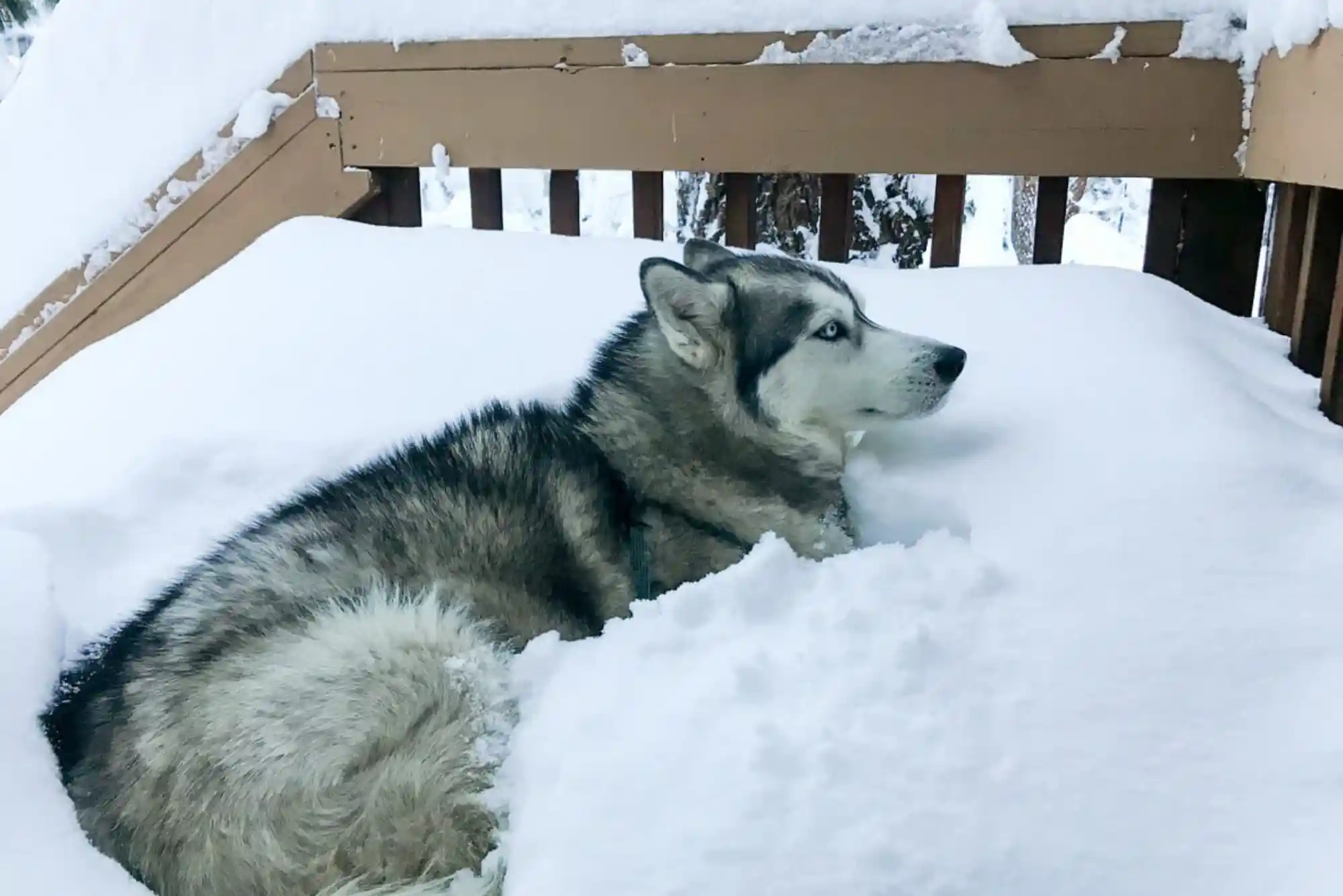
No dog is completely immune, though breeds like Huskies and Malamutes tolerate cold much better than Chihuahuas or Greyhounds.
What should I do if my dog steps in ice-melt chemicals?
Wash their paws immediately with warm water and mild soap to prevent ingestion through licking.
Can short-haired dogs wear sweaters indoors during winter?
Yes, if your home is drafty or kept at a cool temperature, a cozy sweater helps keep them comfortable.
Conclusion
Winter weather offers wonderful opportunities for bonding with your beloved canine companion. However, staying mindful of freezing temperatures keeps winter fun safe and stress-free. Always prioritize your dog’s comfort and watch closely for early warning signs of trouble. Equip your pet with proper winter gear and know your local temperature limits. Share this guide with fellow pet parents to help keep neighborhood dogs safe. Drop a comment below with your favorite winter dog safety tip today. Let us work together to keep every tail wagging all season long!