
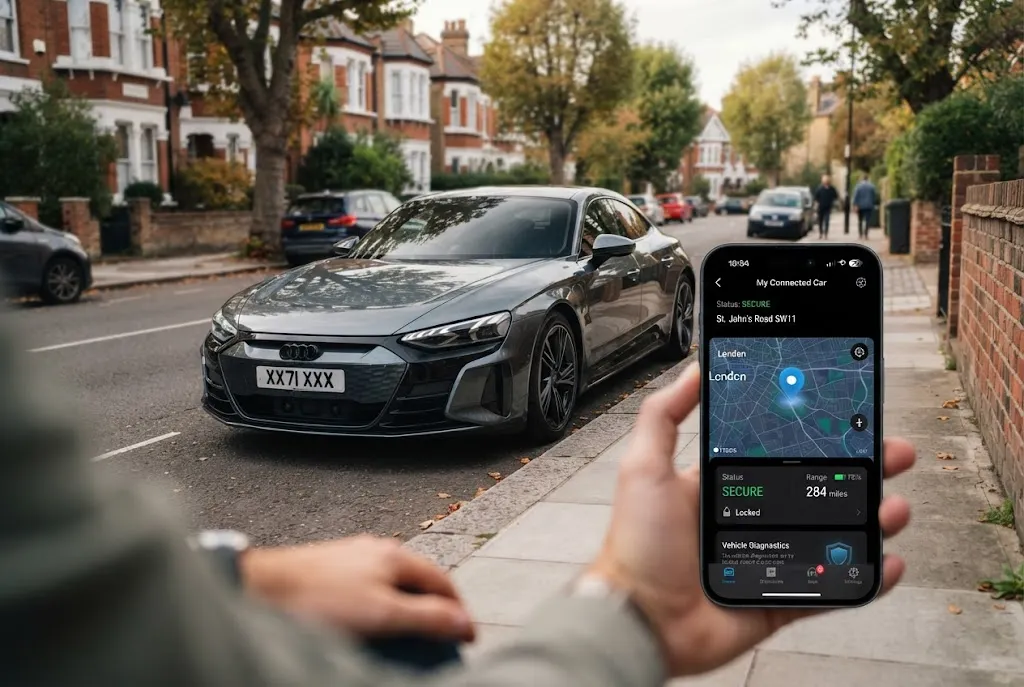
Practical Reasons to Consider a Vehicle Tracker for Everyday Driving
Vehicle technology has developed rapidly, giving drivers more ways to manage, monitor and protect their cars. While features such as alarms, immobilisers and central locking are now common, vehicle tracking technology offers another useful way to stay informed about a car’s location.
A vehicle tracker is not only relevant to situations involving theft. Depending on the system, it can provide location information, movement alerts and journey history, making it a potentially useful addition to everyday vehicle ownership.
What Makes Vehicle Tracking Useful?
The basic idea behind vehicle tracking is straightforward. A tracking device uses positioning technology to determine where a vehicle is and, depending on the system, communicates that information to an online platform or mobile application.
This can give an owner greater visibility over their vehicle without needing to be physically near it. For people who regularly leave their cars at work, shopping centres, railway stations or public car parks, that additional visibility can provide reassurance.
The features available depend on the tracker, so drivers should consider what information and alerts they actually need before choosing a system.
Vehicle Tracking Can Add Another Layer of Security
Modern cars already contain several security features, but no single measure can completely eliminate the risk of theft. A layered security approach can therefore be useful.

Secure parking, careful key management, physical security devices and the vehicle’s built-in security systems can all play a role. A tracker can complement these measures by providing location information if the vehicle is moved unexpectedly.
For owners of desirable or higher-value cars, this additional layer may be particularly appealing.
How GPS Tracking Works
GPS is commonly used to determine a vehicle’s geographical position. The tracking device receives positioning information and the system can then communicate relevant data through a suitable network.
Depending on the product, users may be able to view the vehicle’s position through an app or web-based dashboard. Some systems can also provide alerts when the vehicle moves outside a defined area or when unusual movement is detected.
Because features vary between products, it is worth checking the specifications carefully rather than assuming every tracker provides the same level of functionality.
Useful for Premium Vehicles
Owners of premium vehicles often have additional reasons to think carefully about security. The financial value of the car, replacement costs and the attention attracted by certain models can all influence security decisions.
For example, a Range Rover tracker can provide additional location visibility for someone who wants to complement the SUV’s existing security features.
The same principle can apply to other premium vehicles. A Lexus tracker can offer another layer of monitoring for owners who want greater awareness of their vehicle’s location.
Tracking Can Be Useful Beyond Theft
Although theft prevention and recovery are major reasons people consider vehicle tracking, some systems can have practical uses during normal ownership.
For example, location history may allow an owner to review previous journeys. This can be useful for people who share a vehicle with family members or need a better understanding of where a car has been used.
Businesses with several vehicles may also find tracking technology useful for monitoring vehicle movements, depending on their operational needs and the features provided by the tracking service.
Movement Alerts Can Provide Extra Awareness
One potentially useful feature of a modern tracker is the ability to receive notifications about vehicle movement. Instead of having to check the vehicle’s location manually, an owner may receive an alert when specific activity occurs.
The exact alert options depend on the product. Some systems may support geographical boundaries or other configurable notifications, while simpler devices may provide fewer options.
For drivers who want additional awareness without constantly checking an app, relevant alerts can make tracking technology more convenient.
What Should You Look for in a Tracker?
Choosing a tracker should start with understanding how the vehicle is used and what the owner expects from the system.
Important factors can include:
- GPS location accuracy.
- Frequency of location updates.
- Movement and security alerts.
- Mobile application functionality.
- Location history.
- Installation method.
- Power requirements.
- Mobile network connectivity.
- Subscription costs.
- Customer support.
A driver who only wants basic location information may have different requirements from someone looking for a comprehensive vehicle monitoring service.
Installation Should Be Considered Carefully
Different trackers use different installation methods. Some may have relatively simple installation requirements, while others are designed to be connected directly to the vehicle.
Owners should always follow the manufacturer’s instructions and check whether professional installation is recommended.
Modern vehicles contain complex electronic systems, so it is sensible to understand how a device will be powered and installed before making a purchase.
Does a Tracker Replace Traditional Security?
No. A tracker is best viewed as an additional security measure rather than a replacement for the vehicle’s existing protection.
Drivers should continue using their vehicle’s alarm and immobiliser systems where fitted, park securely whenever possible and take sensible precautions with keys and valuables.
Combining several measures can create a more comprehensive security strategy than relying on any single device.
Vehicle Tracking and Motor Insurance
Vehicle tracking and insurance serve different purposes. Insurance is designed to provide financial protection according to the terms of a policy, while a tracker can provide location and monitoring information.
Installing a tracker does not remove the need for suitable motor insurance. Drivers should also check their individual insurance terms if they want to understand whether a particular security device has any relevance to their policy.
The safest approach is to treat security technology and insurance as complementary rather than interchangeable.
Simple Habits Still Matter
Even with modern tracking technology, everyday security habits remain important. Drivers can reduce unnecessary risks by taking a few straightforward precautions.
- Choose secure and well-lit parking locations where possible.
- Keep vehicle keys away from easily accessible doors and windows.
- Do not leave expensive items visible inside the car.
- Use additional physical security where appropriate.
- Keep vehicle security systems maintained.
- Review insurance cover regularly.
- Consider tracking technology if additional location monitoring is required.
These measures cannot guarantee that a vehicle will never be targeted, but together they can contribute to a stronger approach to vehicle security.
What Happens If a Vehicle Is Stolen?
If a vehicle is stolen, owners should contact the police as soon as possible and follow the appropriate procedures. A tracker may provide location information that could be useful to the relevant authorities or recovery service.
Owners should not attempt to confront suspected thieves or recover the vehicle themselves. The purpose of tracking technology is to provide information, not to encourage people to put themselves at risk.
The Growing Role of Connected Car Technology
Vehicle tracking is part of a broader movement towards connected automotive technology. Drivers increasingly expect their cars to work alongside smartphones and digital services.
As connected technology develops, vehicle owners may gain access to more information and control through mobile applications and online platforms.
For security-conscious drivers, tracking technology offers one practical way to make use of these developments while maintaining greater awareness of their vehicle.
Final Thoughts
A vehicle tracker can be a practical addition to a modern car security strategy. By providing location information and, depending on the system, alerts and journey history, it can give owners greater visibility over their vehicles.
The technology can be particularly useful for premium vehicles, but its benefits are not limited to expensive cars. Any driver who wants additional location awareness may find tracking worth considering.
The best approach is to combine suitable technology with sensible security habits and appropriate insurance. When these measures work together, drivers can take a more proactive approach to protecting their vehicles and gaining peace of mind.