
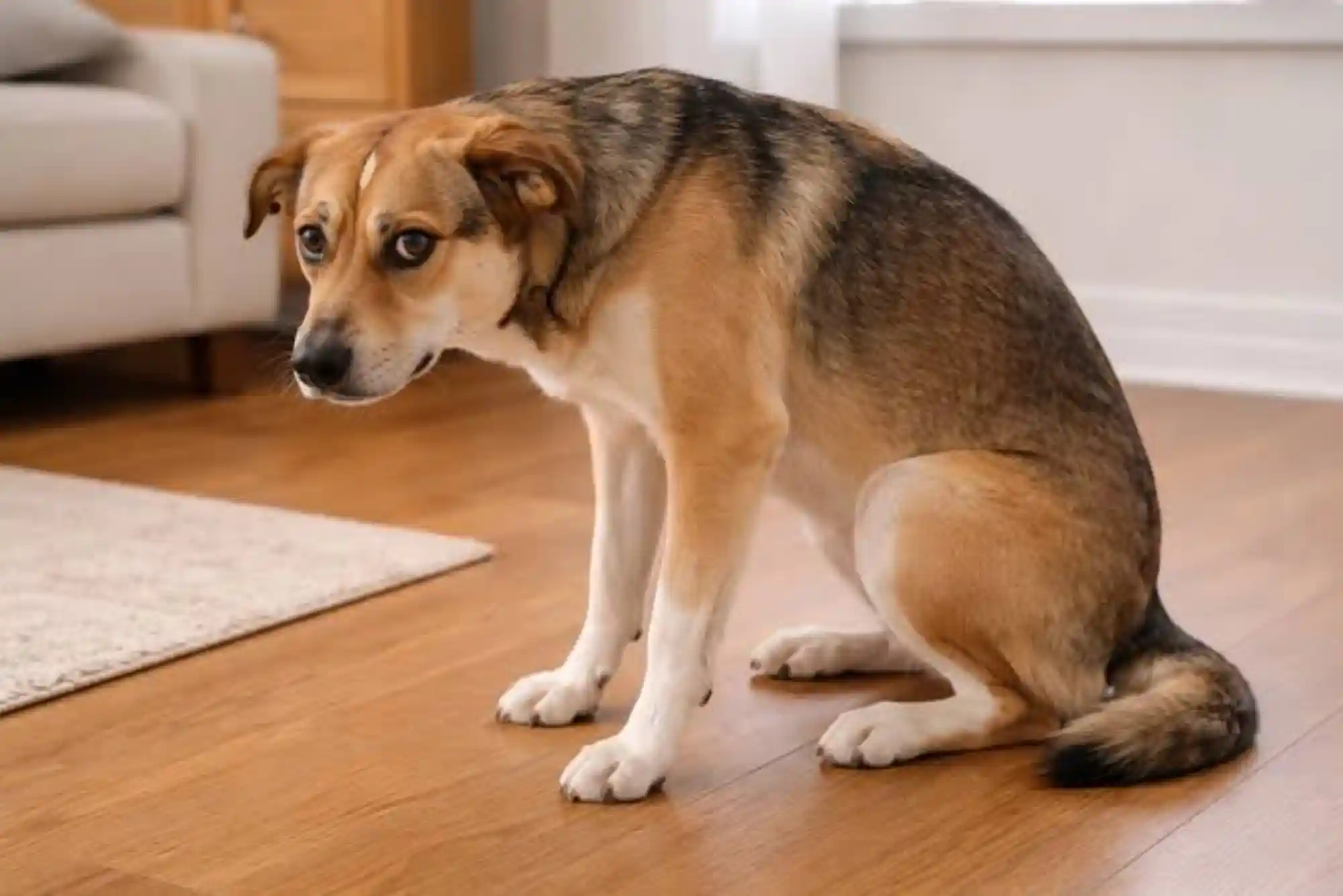
Introduction
Separation anxiety is more than ordinary barking when you leave. A distressed dog may panic, destroy furniture, pace, vocalize, or attempt to escape. These behaviors can become worse when anxiety is repeatedly triggered.
Fortunately, a calm and gradual approach can help many dogs cope better with being alone. The goal is not to force independence overnight. Instead, you teach the dog that short periods alone are safe and predictable.
What Is Separation Anxiety in Rescue Dogs?
Separation anxiety occurs when a dog experiences significant distress after being separated from a person or companion. Rescue dogs may be particularly vulnerable because their previous experiences are often unknown.
A dog may have experienced abandonment, multiple homes, kennel stress, sudden changes, or inconsistent routines. However, being a rescue dog does not automatically mean a dog will develop separation anxiety.
The condition can also appear after adoption, even when the dog initially seems comfortable. Sometimes the dog becomes strongly attached to a new owner before showing distress.
The important point is to recognize the difference between normal adjustment and serious anxiety. Mild whining may improve naturally. Panic-related behavior usually requires a structured training approach.

Signs of Separation Anxiety in Rescue Dogs
The most obvious signs often appear shortly after the owner prepares to leave. Some dogs begin reacting even before the door opens.
A dog may follow the owner constantly, watch their movements, or become unusually restless when keys are picked up. These behaviors can indicate that departure cues have already become associated with isolation.
Once alone, the dog may bark, howl, whine, scratch doors, chew furniture, or pace continuously. Some dogs may drool heavily or pant despite comfortable room temperatures.
House-soiling can also occur, even in a previously reliable adult dog. Anxiety-related elimination usually happens specifically during periods of separation.
Escape attempts are another important warning sign. A distressed dog might scratch doors, push against windows, damage crates, or injure itself trying to follow its owner.
Some dogs show quieter symptoms. They may refuse food, freeze, hide, stare at the door, or remain motionless for extended periods.
Therefore, owners should consider the entire behavioral pattern rather than focusing on one symptom.
How to Tell Separation Anxiety From Boredom
Boredom and separation anxiety can look similar, but the underlying behavior is different.
A bored dog may chew something because it lacks stimulation. However, it may still relax after playing or exploring. A dog with separation anxiety often remains distressed throughout the owner’s absence.
Timing is another useful clue. If destruction occurs only when the dog is alone, separation-related distress becomes more likely.
A simple camera can provide valuable information. Recording the first 30 to 60 minutes after leaving can reveal pacing, barking, panting, scratching, or attempts to escape.
This information can also help a veterinarian or qualified behavior professional understand the problem more accurately.
Why Rescue Dogs May Develop Separation Anxiety
Rescue dogs experience many different histories. Some have lived with stable families, while others have experienced significant disruption.
A sudden change in surroundings can be stressful. Even positive changes require adaptation. A dog may need time to understand new routines, sounds, people, and expectations.
Attachment can also develop quickly after adoption. A dog that previously lacked security may become highly dependent on its new caregiver.
In addition, changes in daily schedules can trigger distress. Moving from a shelter environment to a home does not automatically eliminate anxiety.
For this reason, owners should focus on predictability and emotional security before expecting long periods of independence.
The First Step: Create a Safe and Predictable Routine
Before starting desensitization, establish a consistent daily routine. Regular feeding, exercise, rest, play, and training can make the environment easier to understand.
Give the dog a comfortable resting area where it can relax without constant interaction. This space should never be used as punishment.
Encourage calm behavior while you remain at home. Reward the dog when it chooses to rest independently.
For example, if your dog lies quietly on its bed while you work, calmly reinforce that behavior. Avoid turning every moment of calmness into an exciting social event.
The goal is to teach the dog that being apart from you inside the home is normal.
A Gentle Desensitization Routine
Desensitization means exposing a dog to a trigger at an intensity it can tolerate. With separation anxiety, this often involves extremely short absences.
Begin with an absence that causes little or no anxiety. For some dogs, this may be only a few seconds.
Leave calmly and return before the dog becomes distressed. Repeat the exercise several times, allowing the dog to remain relaxed.
Gradually increase the duration only when the dog consistently handles the current level comfortably. Progress should be measured in calm behavior, not simply in time.
If the dog panics, the exercise was probably too difficult. Reduce the duration during the next session.
This process can seem slow, but gradual progress is often more sustainable than forcing long absences.
Practice Departure Cues Separately
Many anxious dogs react before their owner actually leaves. Keys, shoes, bags, jackets, and opening doors can become powerful anxiety signals.
You can weaken these associations through repeated practice.
Pick up your keys and then sit down. Put on your shoes without leaving. Walk toward the door and return to another room.
These exercises teach the dog that departure cues do not always predict a long absence.
Keep these sessions boring and calm. The objective is to make these signals ordinary rather than emotionally significant.
Build Calm Independence at Home
Independence training should happen even when you are not leaving the house.
Encourage your dog to spend short periods relaxing away from you. You might sit in another room while your dog rests comfortably elsewhere.
Gradually increase the distance and duration while maintaining a relaxed environment.
Food-based enrichment can also support independent behavior. A suitable chew or food puzzle may encourage the dog to settle without constant human interaction.
However, enrichment should complement behavior training. It should not be used to distract a severely panicked dog for long periods.
Keep Departures and Returns Calm
Dogs can become more anxious when departures are emotionally intense. Long goodbyes may unintentionally increase the significance of leaving.
Instead, keep your departure routine predictable and low-key. Avoid repeatedly reassuring the dog in an excited voice.
Returns should also remain calm. Give your dog a moment to settle before starting energetic interaction.
This does not mean ignoring your dog. It simply keeps arrivals and departures emotionally neutral.
Over time, this routine can help reduce the contrast between being together and being apart.
Exercise, Sleep, and Mental Enrichment Matter
A suitable exercise routine can support emotional regulation. However, exhausting a dog is not a treatment for separation anxiety.
Physical activity should be balanced with adequate rest and sleep. Overstimulation can sometimes make anxious behavior harder to manage.
Mental enrichment is equally valuable. Sniffing walks, basic training, food puzzles, and appropriate chewing activities can provide healthy outlets.
Most importantly, these activities should become part of a predictable lifestyle rather than a last-minute attempt to tire the dog before departure.
Common Mistakes That Can Make Anxiety Worse
One common mistake is increasing alone time too quickly. A dog that can handle five minutes may not automatically handle thirty minutes.
Another mistake is punishing destruction or house-soiling after returning home. The dog cannot connect delayed punishment with the earlier behavior in a useful way.
Crating can also be problematic when a dog has severe confinement anxiety. A crate should be introduced positively and should never become a forced solution for panic.
Another issue is inconsistency. Allowing long absences one day and practicing short absences the next can make progress difficult.
Finally, owners sometimes expect immediate results. Separation-related anxiety often requires patience and repeated practice.
When Professional Help Is Needed
Some dogs experience anxiety severe enough to require professional support. Self-injury, escape attempts, extreme panic, persistent refusal to eat, or intense distress deserve prompt attention.
A veterinarian can help rule out medical problems that may contribute to unusual behavior. A qualified veterinary behaviorist or experienced positive-reinforcement behavior professional can then help develop an individualized plan.
In some cases, medication may be considered alongside behavior modification. Medication decisions should always be made with a veterinarian.
Professional guidance is especially important when anxiety prevents the dog from remaining calm even during very brief absences.
How Long Does Separation Anxiety Training Take?
There is no universal timeline. Some dogs improve noticeably within weeks, while others need several months of careful work.
Progress depends on the dog’s history, severity of anxiety, environment, consistency, and ability to remain below its panic threshold.
Small improvements matter. A dog that previously panicked immediately but can now relax for two minutes has made meaningful progress.
Avoid comparing your rescue dog with another dog. Each animal brings a different history and temperament to the training process.
Frequently Asked Questions
How do you calm a rescue dog with separation anxiety?
Start with predictable routines and very short absences. Reward relaxed behavior and gradually increase separation time. Avoid punishment and avoid leaving the dog alone longer than it can comfortably tolerate.
How do you know if a rescue dog has separation anxiety?
Watch for distress specifically connected to separation. Common signs include persistent barking, pacing, destruction, escape attempts, panting, drooling, and house-soiling.
Does separation anxiety go away in rescue dogs?
It can improve substantially with appropriate training and management. However, improvement varies between individual dogs. Severe cases may require professional behavioral and veterinary support.
Should I ignore my dog with separation anxiety?
Completely ignoring an anxious dog is not a treatment. Instead, teach calm independence gradually and reinforce relaxed behavior. Avoid rewarding frantic attention-seeking while remaining responsive to genuine needs.
Is crate training good for separation anxiety?
A crate can provide a comfortable resting space for some dogs. However, it can increase distress in dogs that fear confinement. Introduce crates gradually and never use them as punishment.
Conclusion
Recognizing the Signs of Separation Anxiety in Rescue Dogs: Proven Calming and Desensitization Routine is the first step toward helping an anxious companion feel safer.